🥬 Kitchen Thought Tuesday V2
Essential Vegetables in Korean Cooking

🥬 1. Napa Cabbage (배추, baechu)
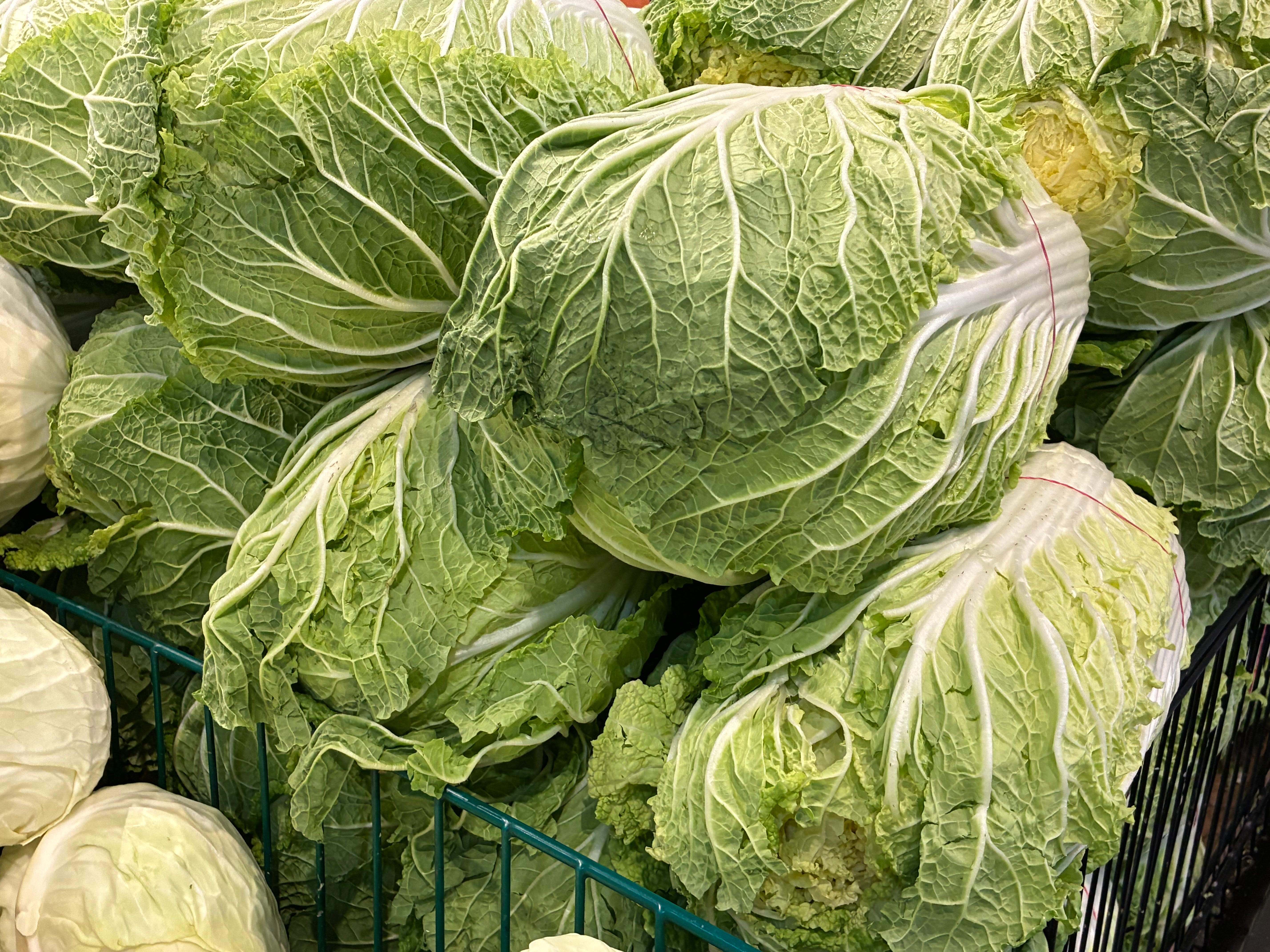
If Korean cuisine had a backbone, this would be it. Napa cabbage is the foundation of the most famous fermented food in Korea, baechu kimchi, but it also softens stews, bulks up soups, and fills dumplings.
It’s hearty, absorbent, and even comforting once it wilts down into something warm and familiar. This is the vegetable that teaches you patience, it transforms slowly, becoming deeper and more flavorful with time.
🌱 2. Korean Radish (무, mu)
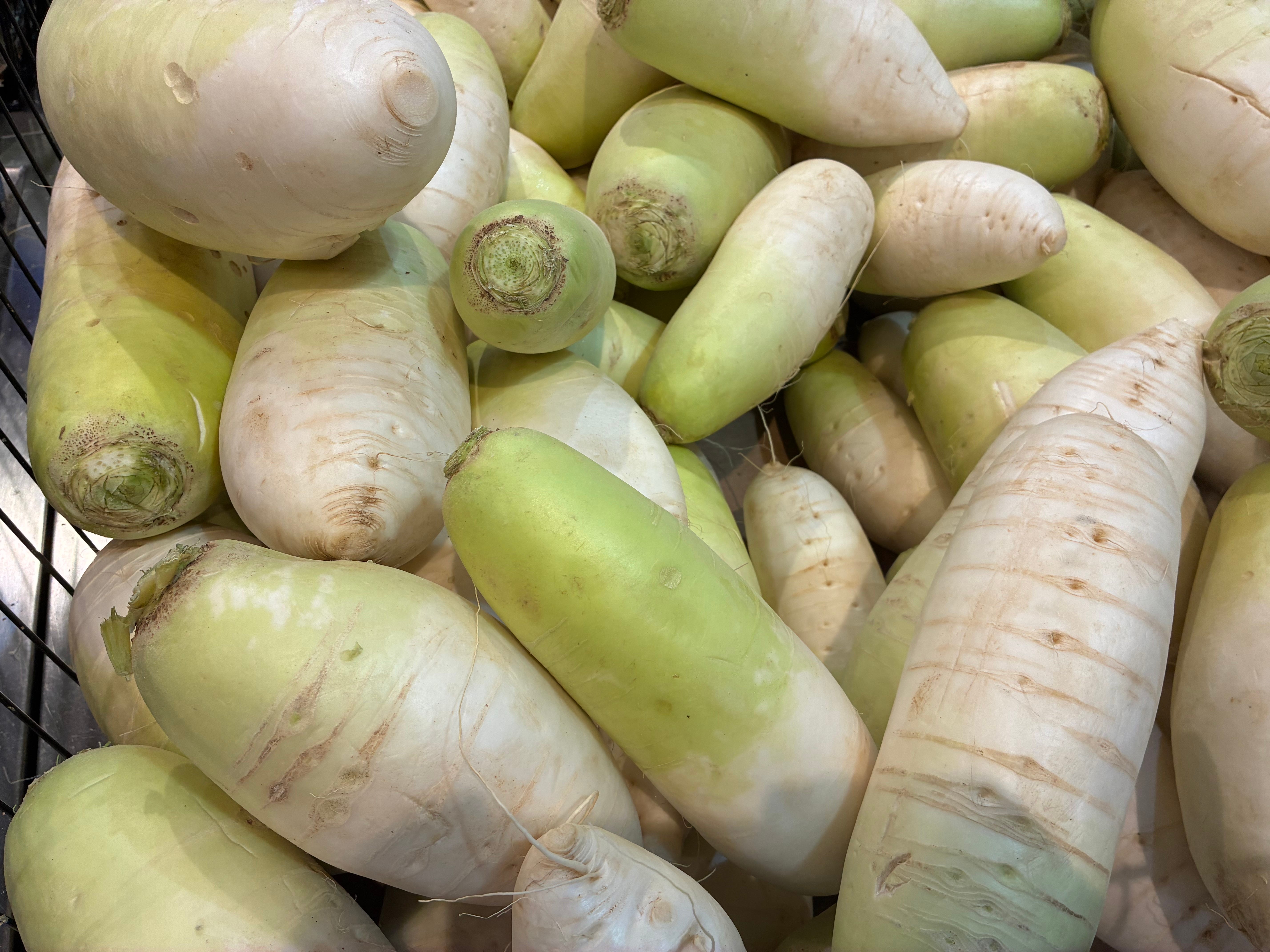
Mu is simple but powerful. It’s peppery when raw, sweet when cooked, and essential in everything from kimchi to beef soups like galbitang.
Dropping a chunk of radish into broth isn’t just a flavor choice, it’s tradition. As it cooks, the broth gets cleaner, sweeter, and more balanced. It’s one of those ingredients that quietly works in the background, making everything taste better without asking for any attention.
🧄 3. Garlic (마늘, maneul)
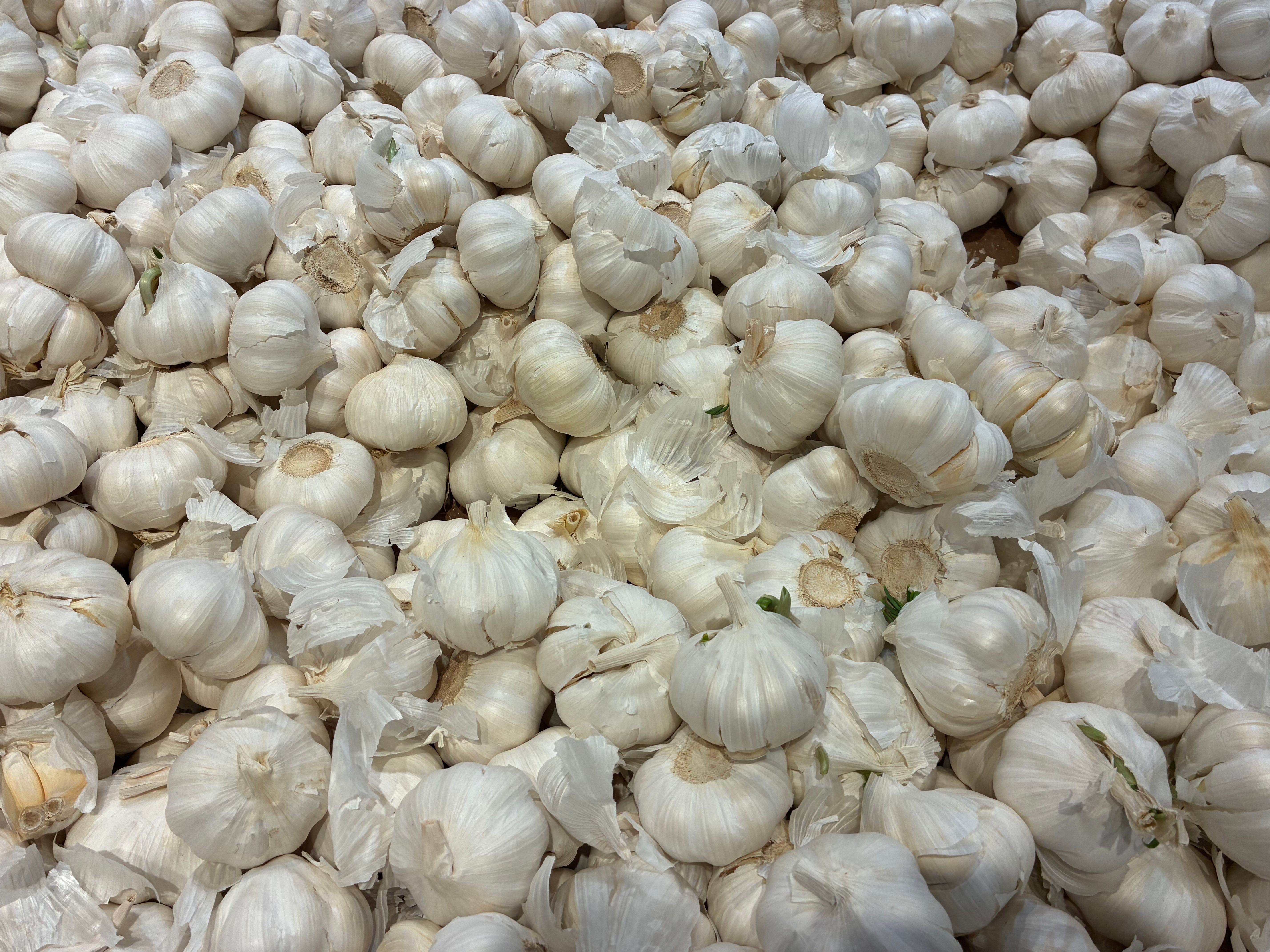
Korean food doesn’t just use garlic, it lives on garlic. Raw, sautéed, crushed, or caramelized, garlic adds strength, heat, and aroma to almost every dish.
It brings the boldness that Korean food is known for, but it also represents warmth.
The smell of garlic hitting a hot pan is the unofficial start of a Korean meal, the signal that something comforting is on its way.
🌿 4. Green Onion (파, pa)
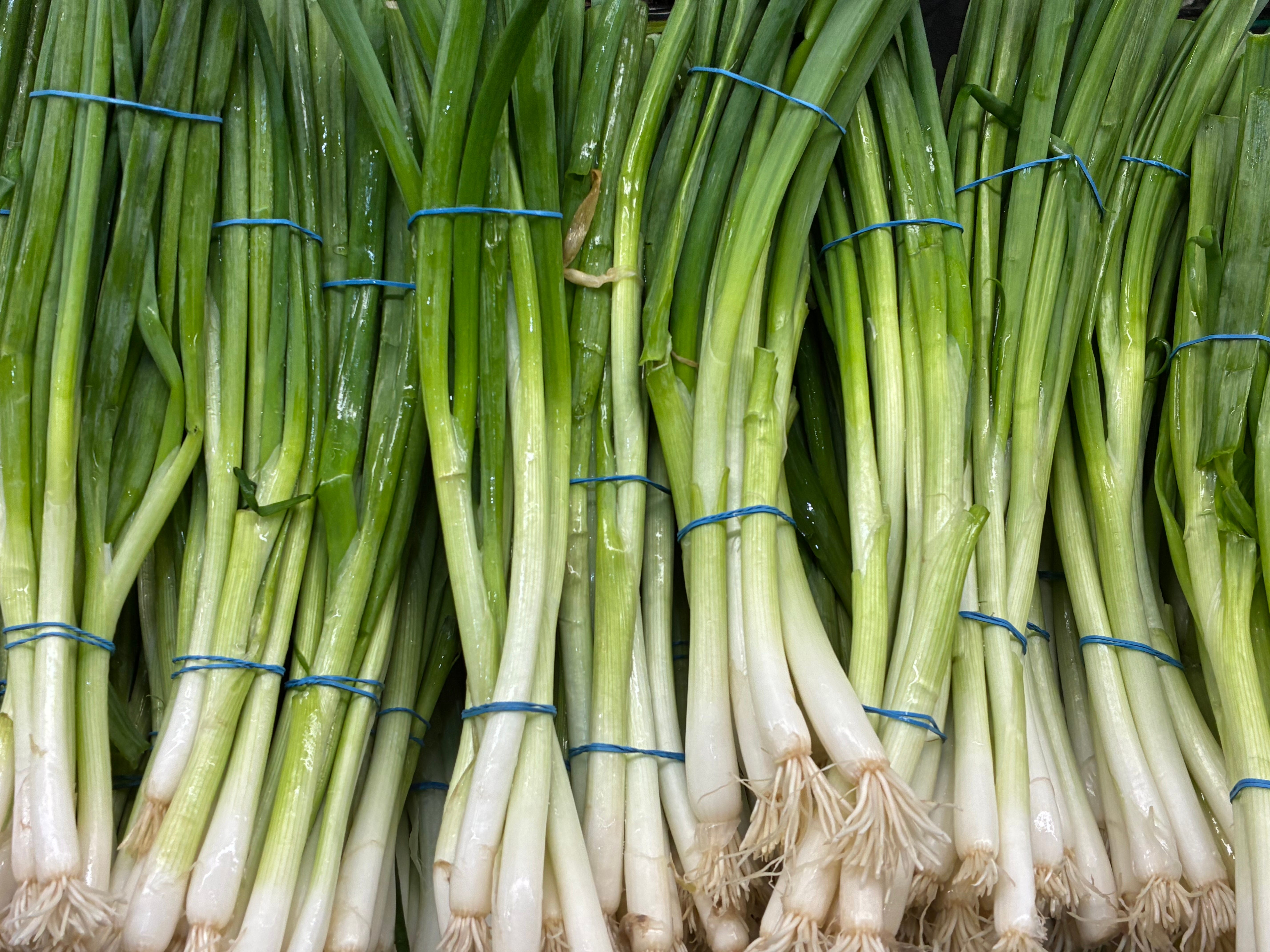
Green onion is the ingredient you reach for when something is missing. It brightens soups, softens grill marinades, and brings life to pancakes and stir-fries.
In many homes, green onions are always on the counter or tucked in the fridge because they are the silent fixer, the ingredient that brings harmony when flavors need balance.
🍄 5. Mushrooms (버섯, beoseot)
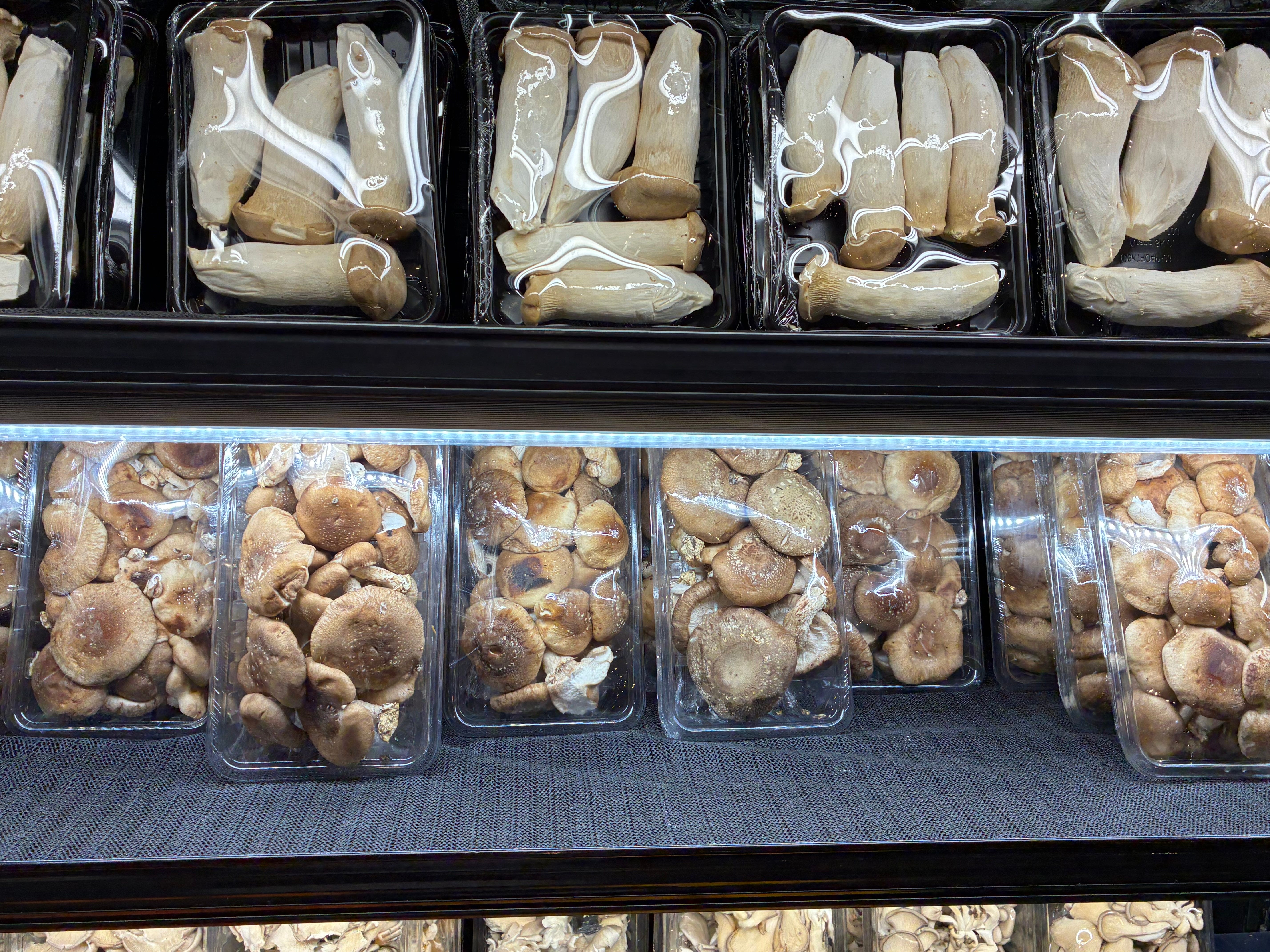
Mushrooms are one of the most dependable flavor-builders in Korean cooking.
Shiitake, enoki, oyster, pine, each type brings its own personality. But they all share one thing: they add depth.
Dried shiitake mushrooms are especially important. When rehydrated, they create a broth that tastes earthy, rich, and almost meaty, even without any meat at all. That’s why mushrooms play such a big role in temple food and vegetarian Korean dishes.
They show up in stews, rice bowls, japchae, and countless banchan. Mushrooms don’t demand attention, they create a foundation for everything else. Their quiet umami is what turns simple ingredients into something comforting and whole.
✨ Closing Thought
These vegetables may look simple, but they carry the spirit of Korean cooking: balance, seasonality, and respect for the ingredients that grow from the land.
They remind us that the heart of a meal doesn’t come from complexity, it comes from understanding and appreciating the basics. Just like life, Korean food becomes meaningful when you pay attention to the humble things, the quiet foundations, and the ingredients that do the work without needing to be seen.