Rice: The Heart of the Table
How a humble bowl of bap carries generations of meaning, comfort, and connection at the Korean table.

In every Korean meal I’ve ever sat down to, no matter how many banchan filled the table or how bold the flavors were, there was always one quiet constant… a bowl of warm, freshly cooked rice. It never tries to steal attention. It doesn’t announce itself. But somehow, the entire meal feels incomplete without it. Rice is often the simplest thing on the table, but in Korean culture, it carries the greatest weight.
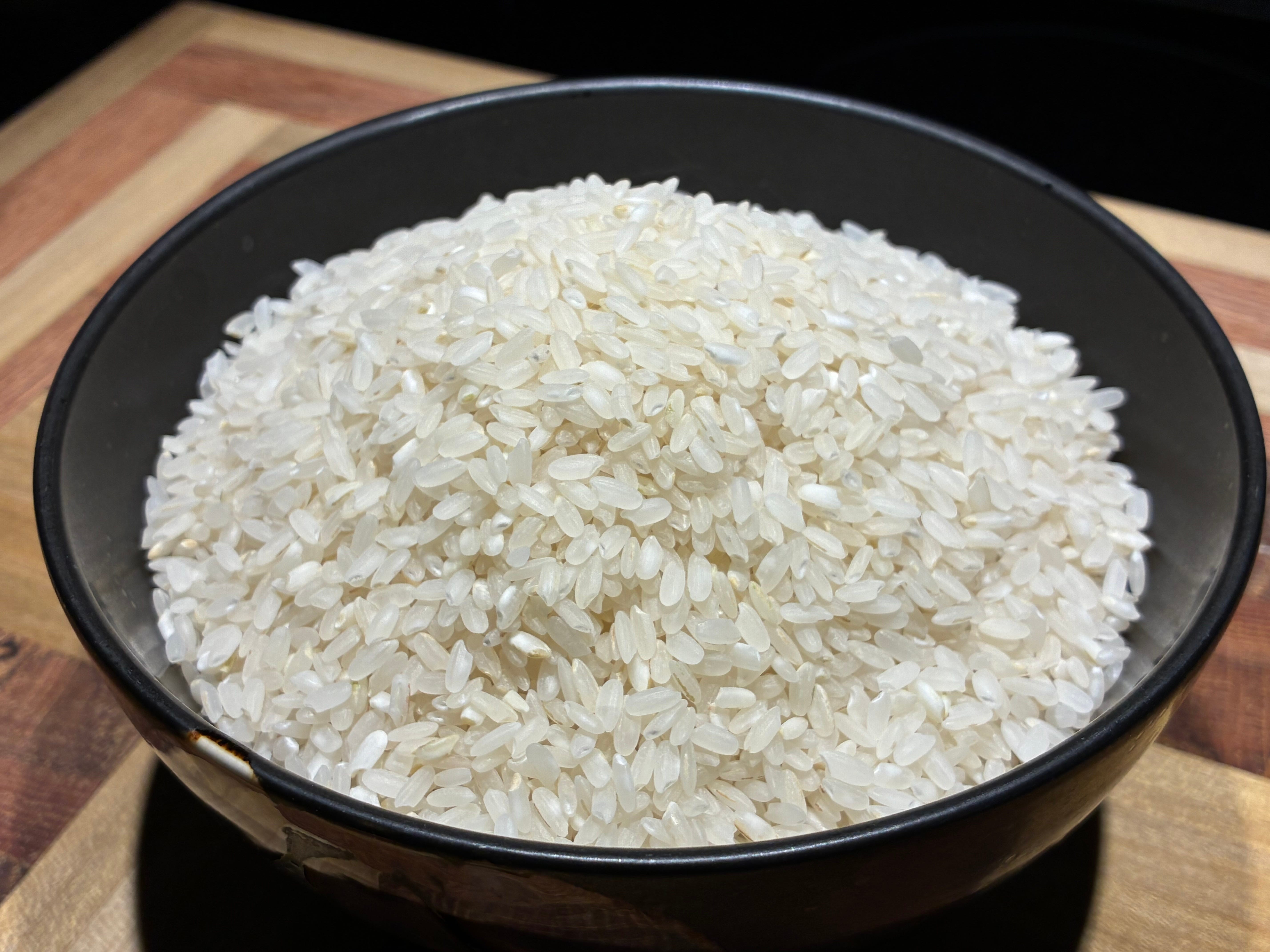
Rice has been part of Korea’s story for more than 3,000 years. Early rice paddies from the Bronze Age tell us that long before the Korea we know today existed, people were gathering around bowls of rice. Over the centuries, rice became more than a staple, it became a symbol of stability, wealth, and even dignity. There were times when a family’s wellbeing was measured simply by how much rice they had stored. And during rituals and celebrations, rice was the offering chosen to show respect, gratitude, and love.
Even in modern language, rice still holds this power. In Korean, the word bap (밥) means both “rice” and “meal.” So when someone asks, “밥 먹었어?” — “Have you eaten?”, they’re not just asking about food. They’re checking on your wellbeing.
They’re asking if you’re taking care of yourself. It’s a small sentence packed with warmth and concern.
What I’ve learned from Korean food is that rice isn’t just the base of the meal, it’s what everything else orbits around. Soups, meats, kimchi, stews… they all taste richer, deeper, and more balanced when paired with rice. It’s the calm that balances spice, the comfort that softens heat, the foundation that supports everything else on the table.
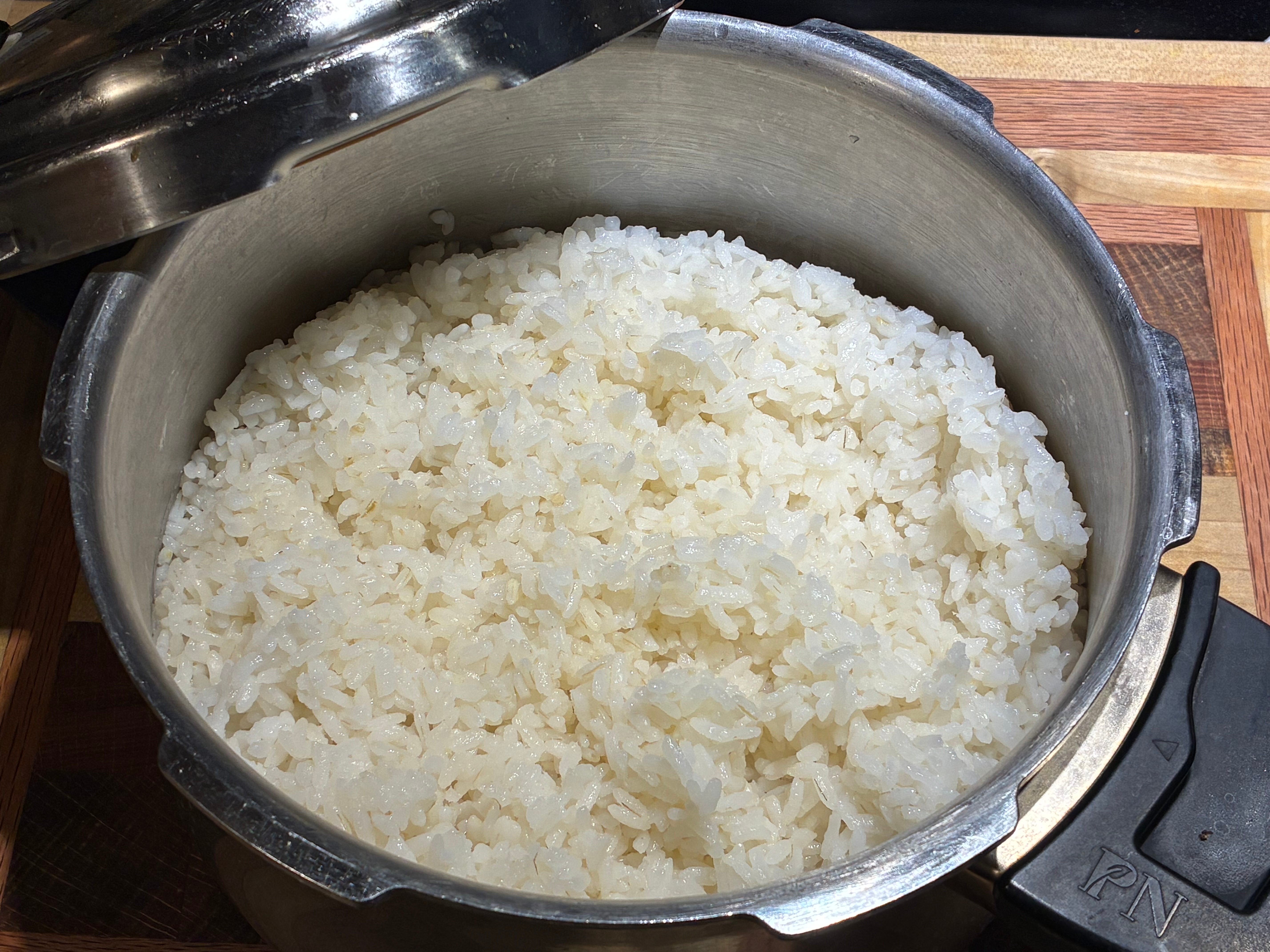
But the deeper I get into Korean culture — through food, through marriage, through becoming a father — the more I see rice as a mirror for family life.
Rice requires patience. You can’t rush it. You wash it, soak it, let it breathe, let it steam, let it rest. Skip a step, and it shows in the bowl. Family works the same way. Marriage takes time. Parenting takes even more. And some days, you reheat the same bowl of rice three times because life keeps pulling you away. But when you finally sit down, you’re reminded that some things are worth slowing down for.
Rice is also consistent and dependable. It’s not flashy, but it’s always there. Steady, quiet, holding everything together. In a home, those simple, repetitive routines carry more weight than we realize: checking if your partner ate, cooking something warm after a long day, sitting down together for even ten minutes before the chaos starts again. Rice represents the stability families lean on.
There’s also something beautiful about how rice absorbs flavor. It doesn’t overpower anything. It listens. It receives. Whatever you pair with it; spicy, sweet, rich, simple, rice makes room for it. In its own way, rice teaches empathy. That ability to adapt, to soften someone’s stress, to make space for their emotions… that’s what family does too. You absorb life together.
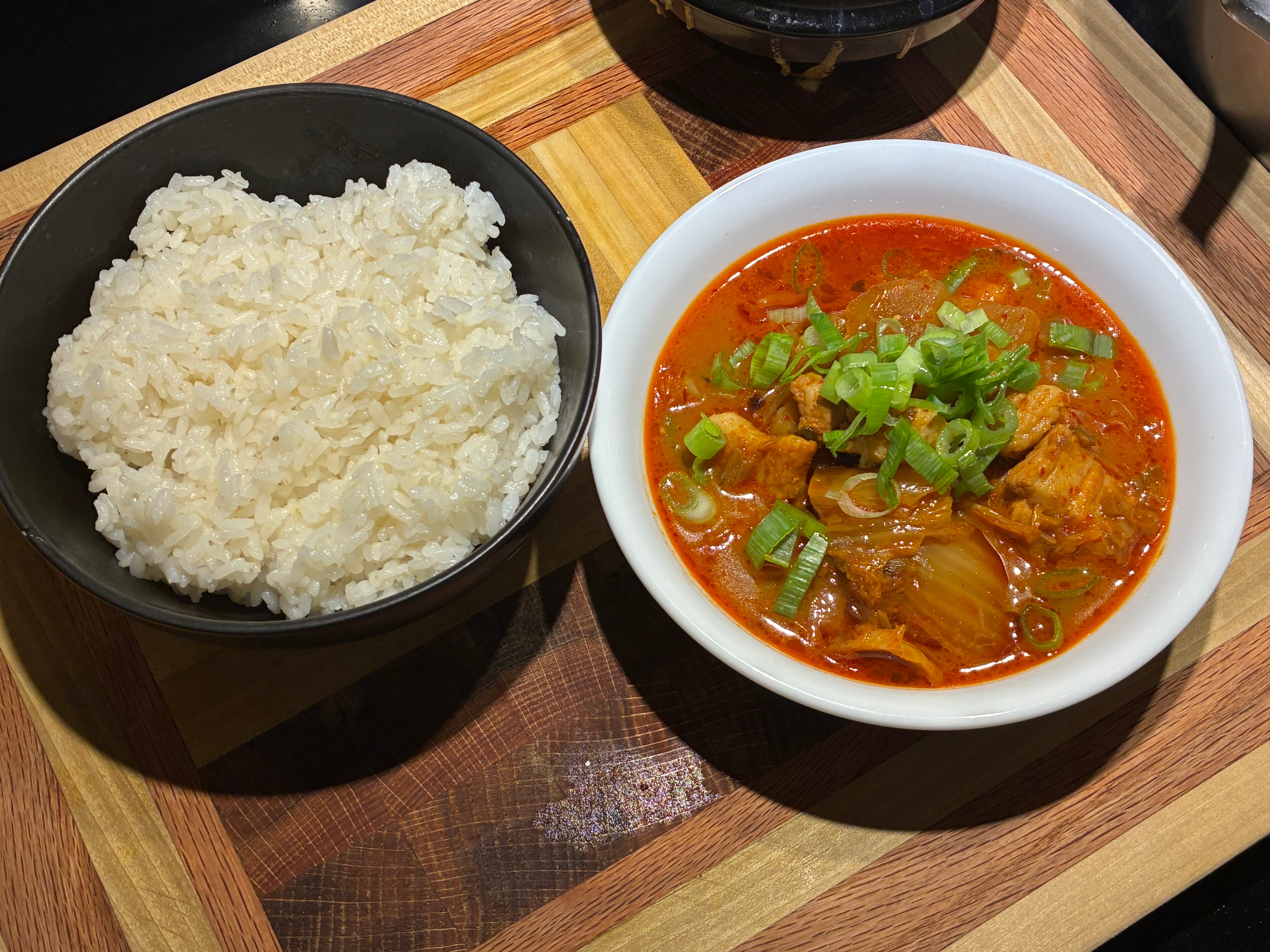
And maybe my favorite thing: rice is meant to be shared. It sits in the center of the table, not owned, but offered. It reminds me that the strongest families aren’t the ones where everyone holds their own bowl tightly, but the ones who reach toward the middle, toward each other, toward something shared.
Rice may look simple, but it carries generations of love, labor, and memory. It represents nourishment, comfort, humility, and the quiet care that builds a home. For me, it’s not just food it’s a reminder that even in all the noise of work, travel, and raising a child, the most important things are often the simplest ones: a warm bowl of rice, a table we gather around, and a family growing together one meal at a time.